Reading practice · A2 · 3 scenes · 9 questions

Spanish reading practice: read, check, understand

Three short scenes from everyday Spanish stories. Read each one, tap any sentence you're not sure about, then answer three Spanish reading comprehension questions. Every answer points you back to the sentence that holds it.

  1. 1Read the scene
  2. 2Tap for English when you need it
  3. 3Answer and see why
Score 0 / 9 9 questions to go

A2 Scene 1 of 3 · 8 sentences · 80 words · about 1 minute

El flan famoso The Famous Flan

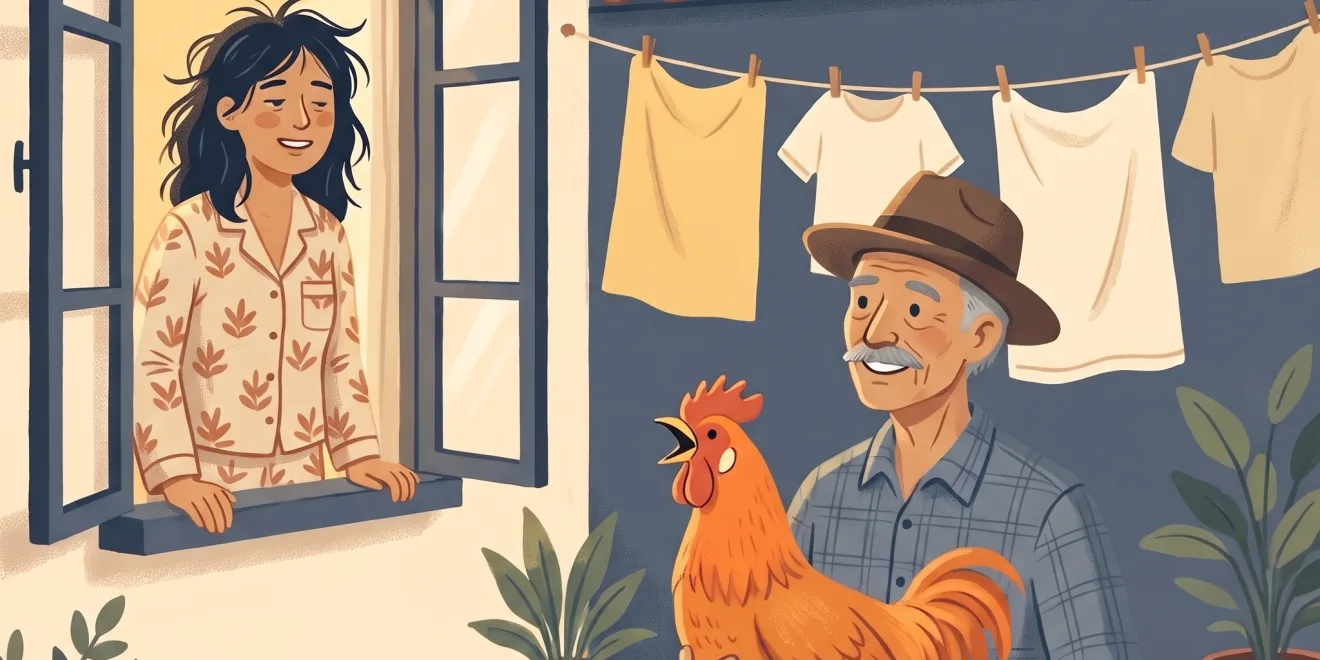
Every December, Marisa's office has a potluck, and she always brings her famous homemade flan. This is the night before.

Tap a sentence for its English.

Check your understanding

  1. What woke Marisa up at midnight?

  2. Why couldn't she make another flan?

  3. What did she get in the morning?

A2 Scene 2 of 3 · 8 sentences · 72 words · about 1 minute

Cuando se va la luz When the Power Goes Out

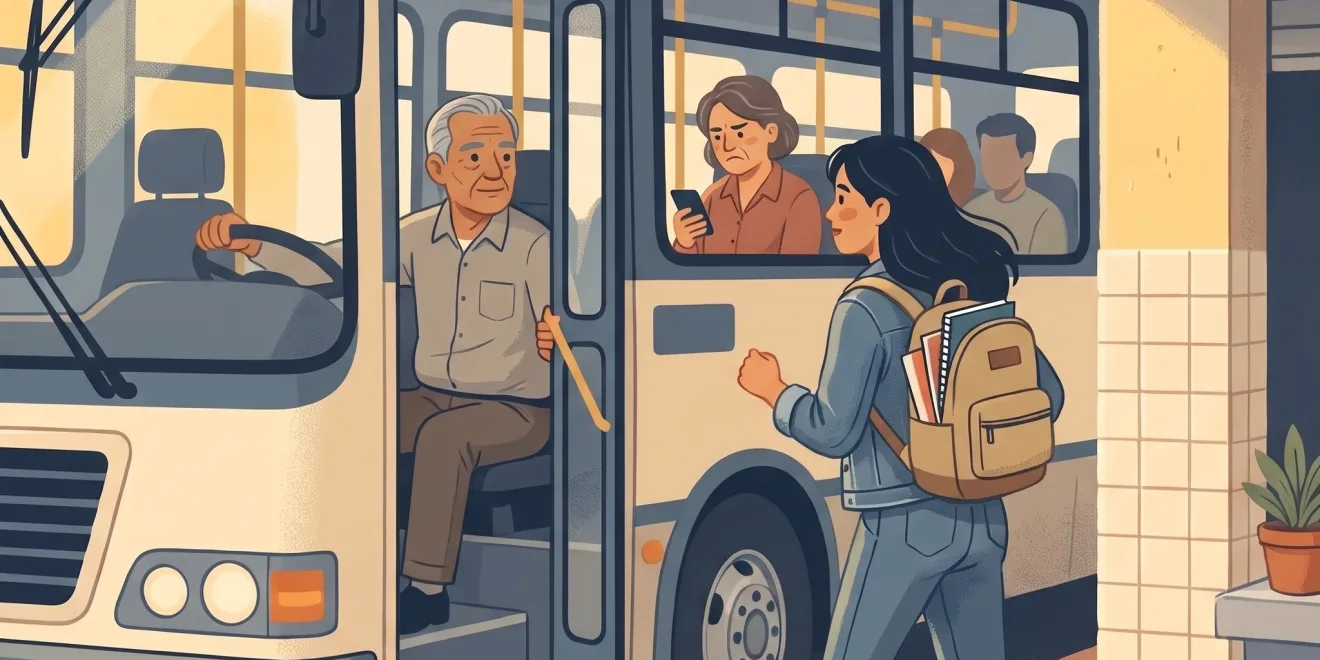
The narrator has just moved into an apartment building. She doesn't know any of her neighbors yet.

Tap a sentence for its English.

Check your understanding

  1. Why did she open the door and go out?

  2. What were the neighbors doing?

  3. Who did she sit next to?

A2 Scene 3 of 3 · 7 sentences · 56 words · about 1 minute

Sin identificación, no No ID, No Package

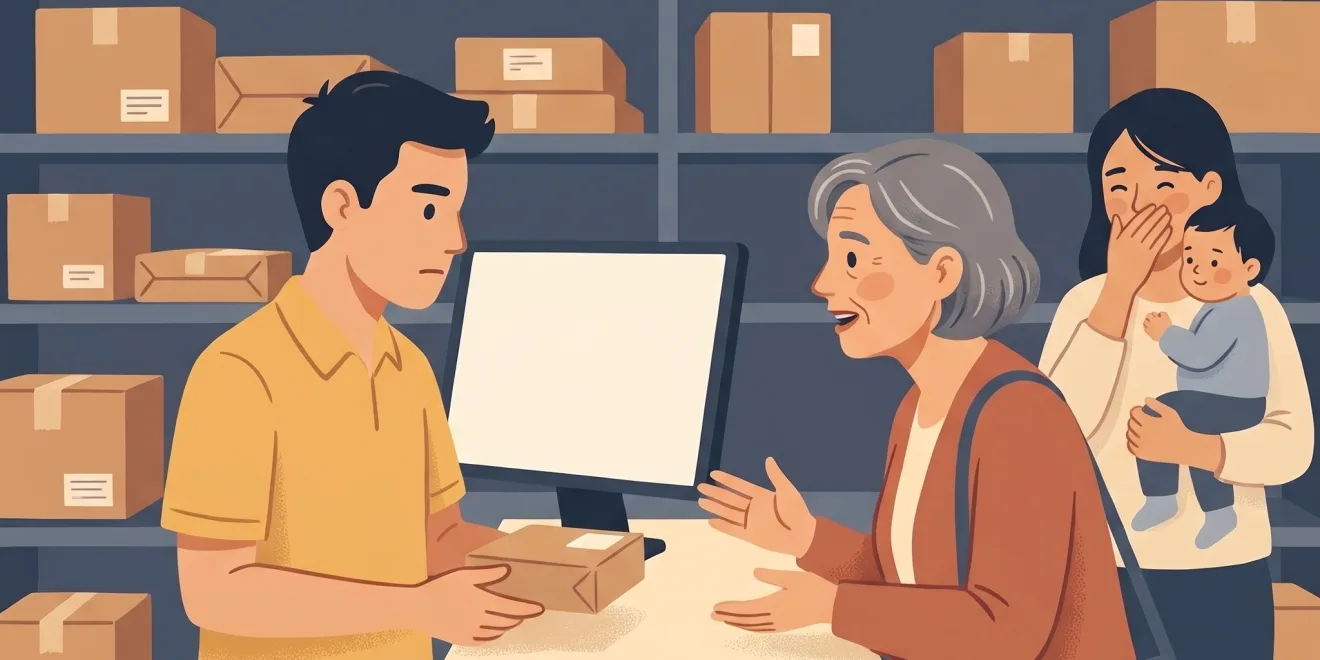
Josefina goes to the parcel office to pick up a package in her name.

Tap a sentence for its English.

Check your understanding

  1. What does the clerk ask her for?

  2. What is inside the package?

  3. How does the clerk respond?

Your result

0 of 9

Answer the questions above, and your result shows up here.

Spanish reading for beginners: how to practice

  1. Pick a text that's almost easy. You should follow the main idea and meet only a few new words per paragraph. If every sentence needs a translation, choose something simpler.
  2. Read it once all the way through. Don't stop at every word. Get the situation first: who, where, what goes wrong.
  3. Check the meaning where you're stuck. Look at the English for that sentence, then read the Spanish again. Seeing what a word means while you read helps new words stick: in a review of 42 studies, readers who could see word meanings learned clearly more of them. More on the research.
  4. Test yourself. Answer a few questions, or retell the scene in one or two sentences. If you can't, reread the part you missed.
  5. Keep a few words, and bring them back. Pick three to five words you'd actually use and recall them in their own sentence tomorrow and a few days later. From one reading alone, most new words slip away.

Questions

What level are these scenes?

Level A2: short sentences, present and past tense, everyday words. If you're starting from zero, use the translations as much as you need; that's what they're for.

Should I read out loud?

Try it on the second read. It slows you down and makes you notice every word. If you'd rather hear it first, the listening practice plays real sentences at normal or slow speed.

Read a story a day. Keep the words.

In the Habloro app, every sentence has its English one tap away, and the words you keep come back for practice tomorrow, then in 3, 7 and 21 days.

Coming soon to the App Store for iPhone